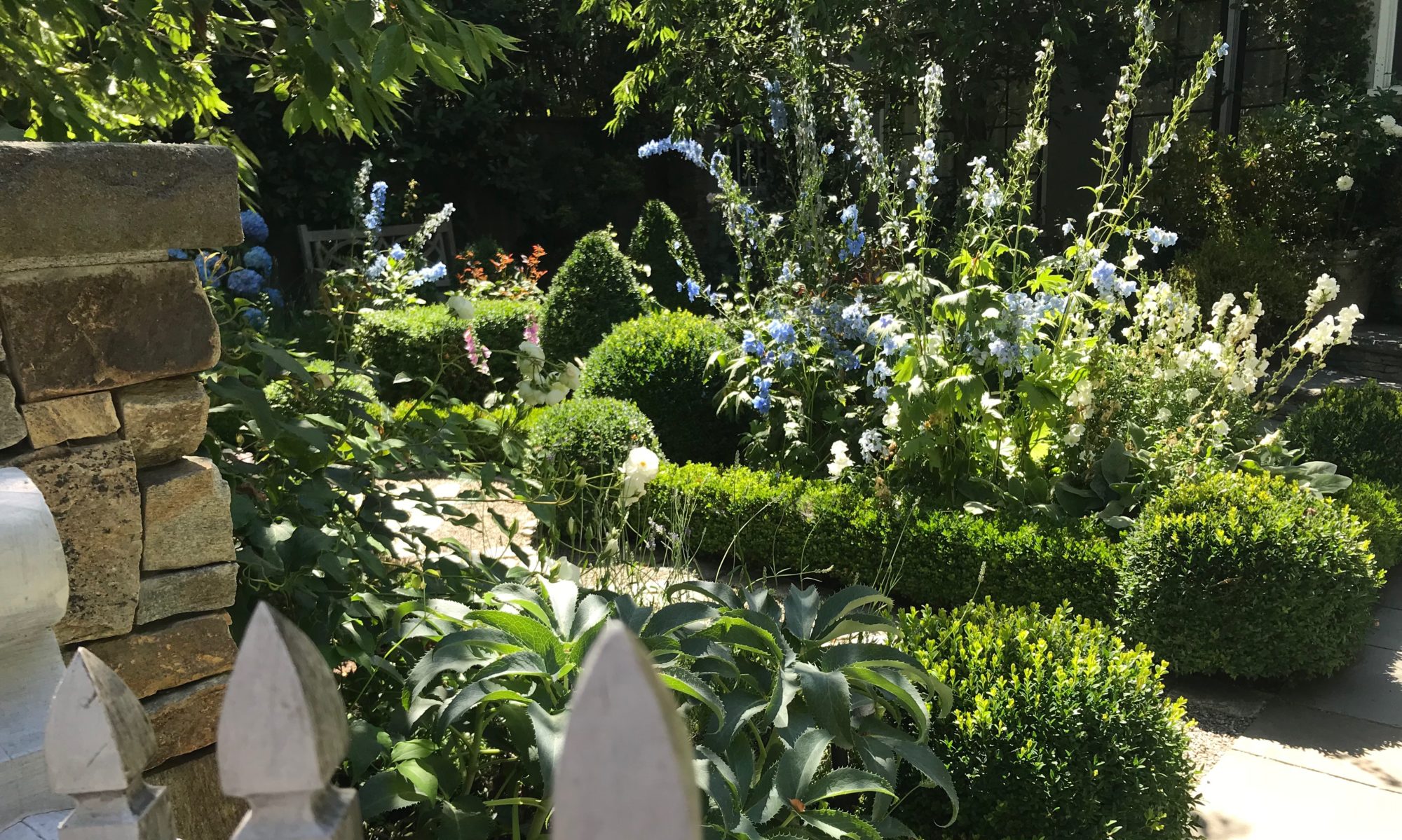
The mission of the Garden Club of Palo Alto remains as relevant today as it was at the time of our founding in 1921.
-
-
-
Encourage an interest in gardening, horticulture, artistic use of flowers and plants, conservation of natural resources, and allied subjects;
-
Educate the community in these subjects;
-
Assist in the beautification of public areas in the City of Palo Alto and surrounding communities.
-
-
History
On Wednesday, October 28, 1921, that Mrs. Frederick Wheeler invited eleven women to her home for a luncheon and a proposal that the assembled group form a Garden Club. Mrs. Charles W. Whitney was declared president of the new Club. A secretary and a treasurer were duly elected and a motion was made, seconded and carried to appoint a committee to draft by-laws to be submitted at the next meeting.
At the following meeting, less than two weeks from the initial one, “Palo Alto Garden Club” was adopted as the Club’s name and the second Tuesday of the month set as a regular meeting date. The Committee on By- Laws submitted their final draft for a constitution on January 10, 1922. A special meeting was held on January 24 with ten new people, two of them husbands, accepted for membership. The first program, a paper on bulbs, was read.
The Garden Club, as conceived by those founding members, was to be more than just a Club in which to exchange garden and artistic ideas. The betterment of the surrounding community was also a goal and the Constitution and By-Laws express their feelings in Article II, Purpose and Activities:
“The primary purpose of this Club is to encourage an interest in gardening, horticulture, artistic use of flowers and plants, conservation of natural resources, and allied subjects; to educate the community in these subjects; and to assist in the beautification of public areas in the City of Palo Alto and elsewhere. Said purpose shall be accomplished by grants of funds, educational programs, garden shows, practical work in gardening, planting and landscaping, association with related organizations throughout the world, and such similar activities as the Board of Directors and the membership shall select.”
By December 12, 1922, Garden Club had 48 members, nineteen of whom were men. Casting about for ways to implement the avowed purposes of the Club, a flower exhibit and sale was given in March at the City Library. The Club’s treasury remained minute however; dues were set at $1.00 a year and little money was realized from the first flower exhibit. In May of 1923, the Club went on record urging the city to ban real estate signs. This idea was finally adopted until 40 years later.
October of 1923 saw the Club better organized. A garden calendar was prepared and read at each month’s meeting and then published in the newspaper. A second flower exhibit and sale was planned for May, 1924 and the City of Palo Alto Planning Commission was invited to meet with the Garden Club to discuss the improvement of small parks. In April, three weeks before the flower exhibit, dissension arose within the Club and the entire Flower Exhibit Committee resigned. The president then appointed an entire new committee and the exhibit came off as planned. The cause of the difficulty was not recorded in the minutes, but at the same meeting as the mass resignation, it was noted that the men of the Club would henceforth become honorary members and lose the privileges of regular members. Since that time the Garden Club has had no male members, except in an honorary capacity.
Membership in the Palo Alto Garden Club in June 1925 was limited to 50 members. The first fourteen years of the Garden Club, meetings were held in members’ homes. This posed seating problems even in large homes. Chair rental was a monthly expense that continued until the Garden Club was eventually meeting in the Community House in 1935.
However, from its inception the Garden Club hoped for the use of the Community House and donated one-half of the proceeds of the 1925 Flower Show for plantings at the Community House.
When the Club began it was anticipated that members would read papers and share their expertise, but during the first year, open meetings were proposed, and outside speakers on subjects ranging from civic projects to specialized gardening were invited occasionally to address the Club.
Today, the Garden Club of Palo Alto has more than 220 members, approximately half of them active members and the other half associates. The events and programs over the last 94 years have had different themes depending upon the local, national and international state of affairs. The Club has been active during two world wars, Korean War, Vietnam and various battles and wars in the Middle East. However, the mission ofthe Garden Club of Palo Alto has remained the same:
Encourage an interest in gardening, horticulture, artistic use of flowers and plants, conservation of natural resources, and allied subjects; to educate the community in these subjects; and to assist in the beautification of public areas in the City of Palo Alto and elsewhere.
One of our proudest achievements was the founding of the Elizabeth F. Gamble Garden, a horticultural non-profit that manages the property left by Elizabeth Gamble (Member 1926 to 1981) to the City of Palo Alto. Both organizations enjoy a close and friendly relationship with each other. Most Garden Club members are also members of Gamble Garden, providing volunteer and financial support of this unique property.
Cumulatively, the Garden Club of Palo Alto has supported the community with its member’s talents, public events and fairs and $340,000 in financial grants to support other organizations that have an overlapping mission with ours.